

Great Depression: Crops Yields, Planting by ‘Check Method’
As the 1933 farming season came to an end, the corn and soybean harvest in Daviess County showed small decline in their yields compared to the previous year. The corn yield was 28 bushels per acre as compared to 37 bushels per acre in 1932. The soybean crop yielded 10...
1933: Students Seek College Degrees Despite Depression
Even though the Depression lingered, some students were still trying to achieve getting a college education. One hundred men and women had met their $75 expense of attending one year at Kidder Junior College in Kidder, MO. Other expenses still had to be added in:...
1933: Bootleg Liquor Until the 21st Amendment
Daviess County was plagued with bootleggers in the early 20th Century. One example of bootlegging was found in 1924 when a liquor raid uncovered a bootlegger site containing four stills, 21 barrels of mash, 30 5-gallon jugs, 100 1-gallon jugs, and seven gallons of...
1933: Riot Squads Suggested to Fight Crime in Great Depression
During the Great Depression crime was on the rise, some induced by families who needed to eat, while others robbed out of greed. The mayor of Albany, MO, suggested that neighboring towns organize volunteer riot squads for the purpose of protecting the towns against...
Old Age Pension Plans to Replace the County Operated ‘Poorhouse’
By 1932 there were 17 states which had adopted an old age pension plan and they claimed it was cheaper in the long run than the poorhouse plan. Now, Missouri voters elected to pass a proposed amendment to the state constitution to permit the legislature to pass a law...
Farm Ownership Dramatically Altered During the Great Depression
In the 1930s, many farmers had purchased land with some at selling prices of $10 or $12 per acre. With the arrival of the Great Depression era, many farmers couldn’t make their payments. Large loan companies and insurance companies often purchased the...
Demise of Rural Schools, Poor Wages for Teachers During Depression
In the 1930s, many one room schools were located in the rural areas. Their attendance would run as high as 35 or 40 in some districts and as low as four or five in other districts. The rural schools often offered their grades out of the usual order of first to eighth...
Road Workers Between Altamont-Gallatin Balk at Pay, Immediately Fired
With thousands of workers unemployed across our nation, threatening to strike was not an intelligent thing to do. In 1932, at the beginning of a road building project of paving a six mile stretch of road between the Gallatin and the Altamont city limits, it was...
Great Depression: Production Loans for Farmers
Farmers could now get government credit if they had necessary liquidating elements and security. These loans were being offered to farmers in Gentry, Harrison, Worth and Daviess Counties. The loans could be obtained to purchase such items as seed, equipment and...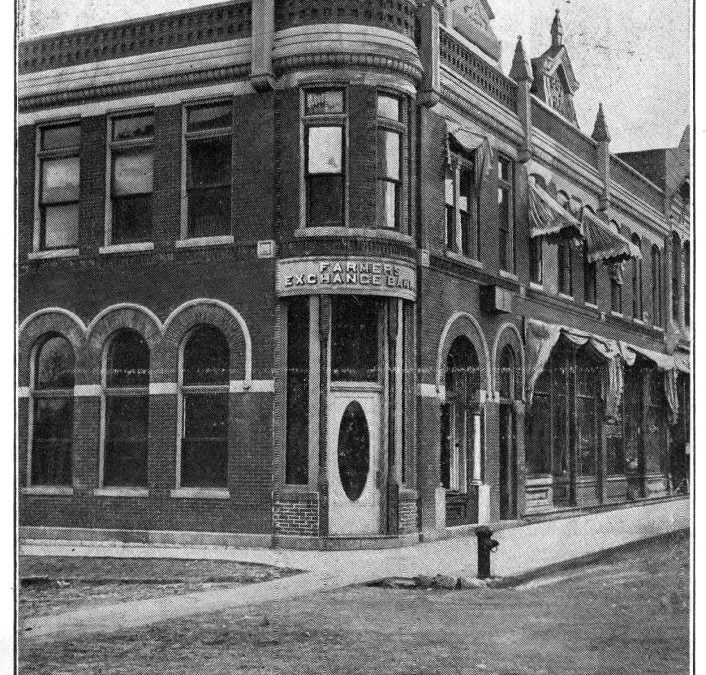
Great Depression: Post Office Relocates to Bank of Gallatin Building
The local post office was to change locations in June 1932 when it would move to the Bank of Gallatin building across the corner from it’s present site. The post office has been located at the northeast corner building for 20 years and is now owned presently by...
Pattonsburg Lake Proposed as a Depression Relief Project
The Pattonsburg Lake was formed in the 1930s as part of the works program. Pattonsburg boosters and other Daviess Countians urged the construction of the dam to provide help with the flood control areas towards Grand River, as well as to be used for building a...
Great Depression: Highway 13 First Built as Gravel Road
In November of 1932, it was reported there would be $2,000,000 allotted for road construction in Northwest Missouri. Highway 13 was on the agenda and would be constructed through Daviess County. It was estimated if the project was finalized, construction would start...
Great Depression: Consolidation to 40 Counties Suggested
Due to increased expenses and less revenue during the Great Depression, some authorities were suggesting how the 114 counties in Missouri could reduced to 40 counties. City governments were devised a century earlier, long before the highways or the motor vehicles...
Great Depression: What Happened to Family Farms?
In the 1939s, many farmers had purchased land selling for $10 or $12 per acre. With the arrival of the Great Depression era, many farmers couldn’t make their payments. Large loan companies and insurance companies often purchased the repossessed notes from the...
Great Depression: Water in Short Supply for People, Crops
In the time of little rainfall during the 1930s, Gallatin suffered a great water shortage which was the first one since 1901. A ban had been put on watering yards and gardens, and no water could be taken out of town and used elsewhere. For the month of June, water...
Great Depression: Program Provides Farm Seed Money
In 1932, under the law creating the Reconstruction Finance Corporation, the government had loaned the farmers money to purchase seed, and the loan could be paid back when the crops were harvested. In Missouri alone, over 9,000 farmers had borrowed over $1 million. Now...
Tobacco Almost Becomes a Stable Crop in Daviess County, MO
Tobacco was on the verge of becoming a stable crop in Northwest Missouri during the 1920s and 1930s, in the Depression era. Local farmers were planting the crop in hopes it would be a permanent thing. In 1930, Missouri farmers grew over 5,000 acres of tobacco. A few...
1931: Counterfeiting at Jamesport Sends 2 to Leavenworth Prison
Two men from Jamesport, MO, Frank Marshall and Robert Miller, were given jail sentences after pleading guilty in federal court on a scheme concocted while they were in the Livingston County Jail at Chillicothe, MO, in 1931. A conspiracy to make counterfeit coins was...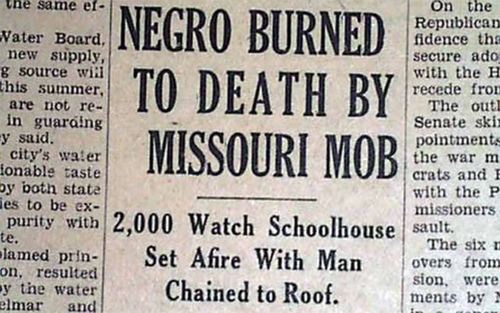
1931: Mob Burns Shike Smith to His Death Atop School House
One of the worst hate crimes ever recorded in Northwest Missouri history happened in Maryville, MO. This newspaper caption appeared on a Gallatin newspaper reporting the crime on Jan. 15, 1931: “Negro Murderer Taken and Burned” At that time, a mob of...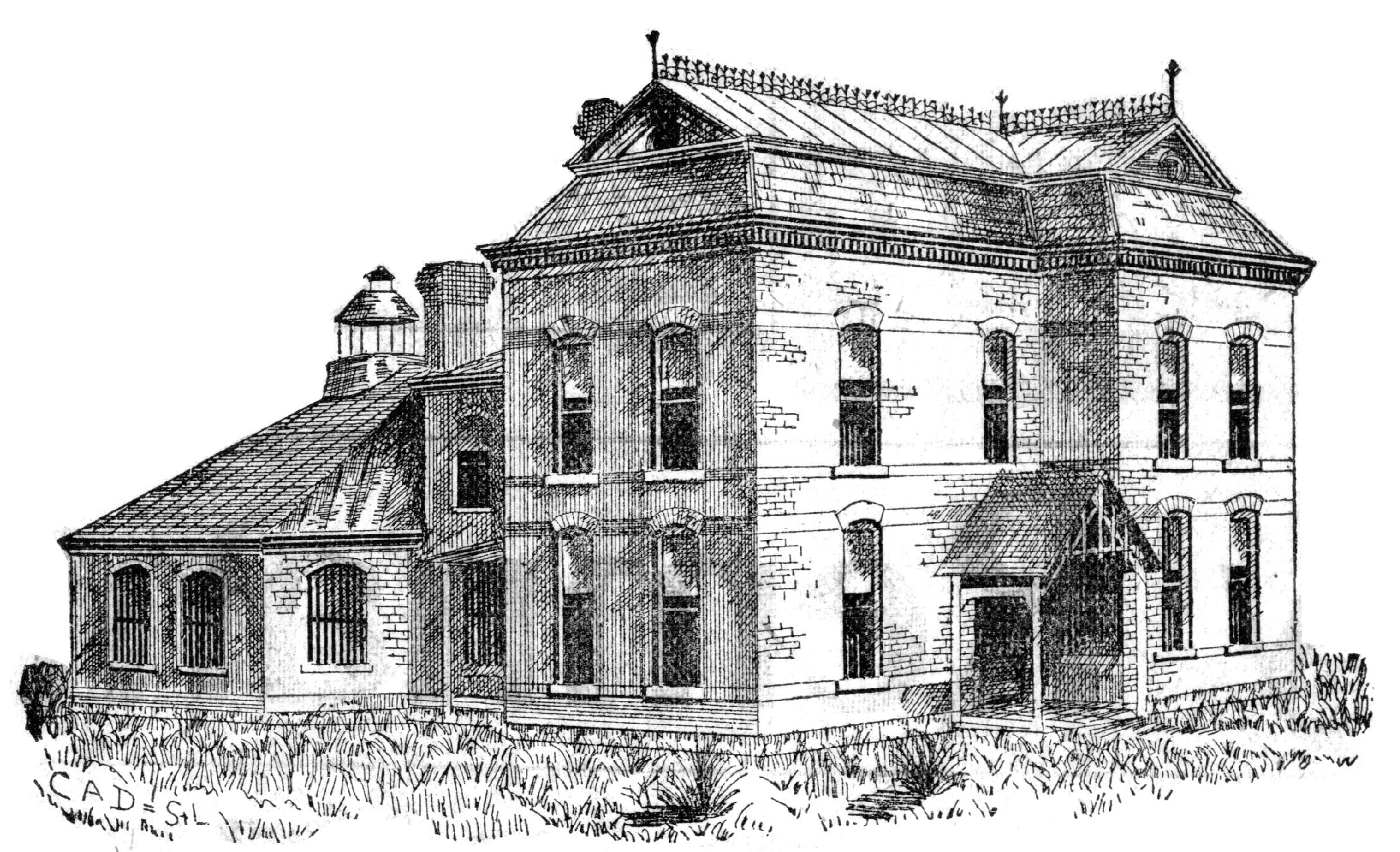
Visit the 1889 Squirrel Cage Jail, located 2 blocks west of the Daviess County Courthouse in Gallatin, MO. This historic relic is listed on the National Register of Historic Places and serves as a visitors’ center — by appointment,
Trudi Burton, ph: 660.663.7342
Search digital posts from 1999 to 2021:
GallatinNorthMissourian.com
Read the last special edition published by the Gallatin North Missourian in 2021:
Daviess County History Guide