
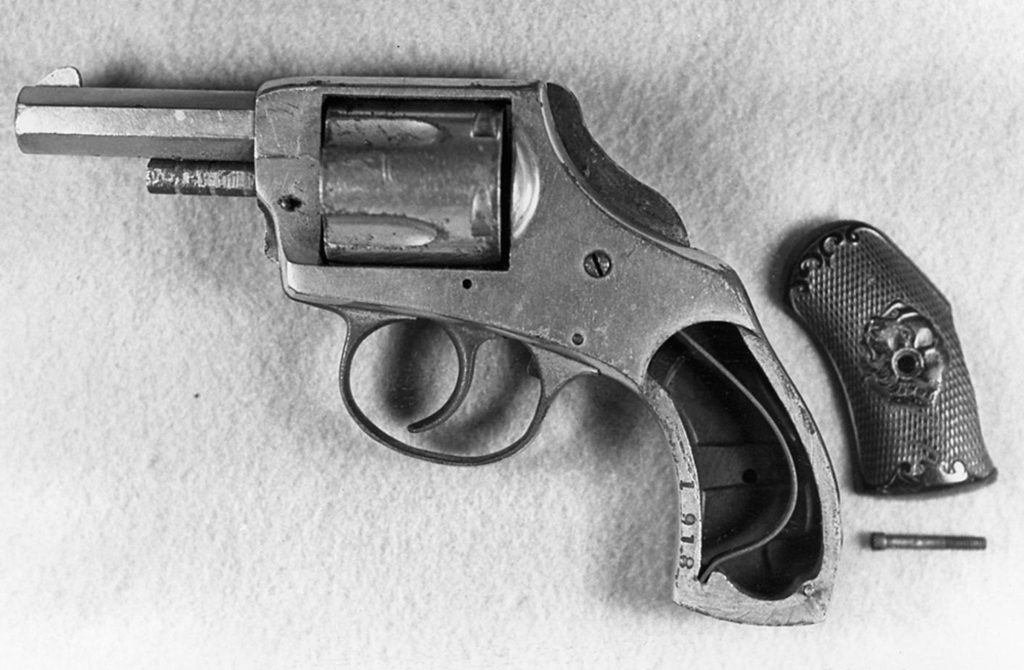

1933: Harsh 20-Year Sentence for $800 Bank Robbery, After Acquittal
Three days after a jury of 12 found Daryl Hillyard of Bethany, MO, guilty of robbing the Bank of Coffey in Daviess County in 1933, Judge Ira D. Beals sentenced Hillyard to 20 years in the state penitentiary at Jefferson City. But it was the acquittal of Hillyard from...
The Idea of a ‘Sales Tax’ Comes Out of the Great Depression
In the Depression years, our government was doling out far more money than it was taking in. Being in the deficit, our national, our state, and our local governments had to do something to bring in more revenue. A man by the name of Caleb Johnson came up with a plan...
How a Young Married Couple Faced Challenges of the Great Depression
This paper was written by Leroy Stretch in 1976 as an assignment for a social studies class for Barbara Foley, the teacher. Roy Herbert McLey (1889-1976) and Cora Mae Saul (1905-1978) married just as the Great Depression hit the nation. They were the grandparents of...
Great Depression: Reforestation Program to Tame the Grand River
In 1933, recruiting Daviess County’s reforestation army was coming to an end with the recruiting number being filled. Seven of the boys would go from Gallatin, but no word had been received as to when the other 30 boys would arrive. To be designated, they would...
Great Depression: Farmers Organize Protective Association
In February 1933, the circuit courtroom was full of farmers who formed the Daviess County Protective Association in an attempt to help those who were carrying loans on their farm lands. It was hoped they could arouse the representatives at both Washington, D.C. and at...
Great Depression: Home Owner’s Loan Corporations
Here are the general terms accepted by those using the Home Owner’s Loan Corporation: The dwelling on which the applicant desires a loan must be occupied as his home, or held by him as a homestead. Mortgagee’s consent to accept bonds in satisfaction of his...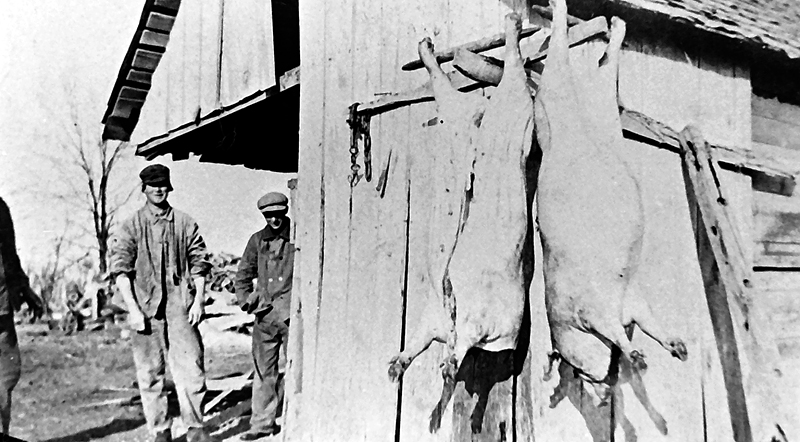
Hogs Worthless, Yet Surplus Pork Feeds the Hungry
In the early 20th century, the farmers counted on the hog income to pay their mortgages and bills and to buy needed supplies. Almost every farm had several head of hogs. Now with the shortage of money to buy the farmer’s products coupled with the lack of corn...
Great Depression: Hordes of Grasshoppers, Cinch Bugs
The dry weather of the 1930s created a problem concerning grasshoppers and cinch bugs. Grasshoppers came in great hordes and ate what little crops there were. There weren’t any sprays or insecticides to control them. If a farmer left his pitchfork in the field...
Great Depression: CCC Plans to Straighten the Grand River
By June 1933, there were 200 men stationed at the Civilian Conservation Corps (CCC) camp at Princeton. At first the men were scheduled to do soil conservation work, but the plans were changed to straightening a nearby stretch of the Grand River. The river was in...
Great Depression: Federal Housing Administration Financing
A new government program started in the Depression era was the Federal Housing Administration (FHA). It was established to loan money for the building of new homes or making badly needed improvements on older properties. FHA financing was easy to obtain. Anyone having...
Great Depression: Drought Makes Poor Field Corn
With the arrival of the 1930s, corn was the main crop used by farmers. But the years during the Great Depression, rains ceased to fall. Corn at its tasseling stage couldn’t form ears. Much of the corn bent over and fell to the ground creating a critical shortage...
Great Depression: Federal Emergency Relief Administration (FERA)
The Federal Emergency Relief Administration (FERA) was a program created during the Great Depression era. It’s purpose was both to pump money back into our ailing economy as well as providing jobs for the jobless. Unlike many of the programs the money...
Great Depression: Virginia Walls Recalls Hard Times
“Times were different then,” says Virginia Walls, speaking of the Great Depression years. “Small stores lined the dirt streets and horses pulled the wagons. Saturdays were special. Farmers brought their cream and eggs to town and purchased their...
Great Depression: How the Dust Bowl Affected NW Missouri
A severe drought spread during the 1930s, more and more states were seriously threatened. Kansas, for example, had long been a plentiful grassland. With more demand for wheat, ranchers plowed up much of their grassland and started to raise wheat. When the drought...
Great Depression: Choosing Between Roads or Education?
A big question during the Great Depression seemed to be, ‘Do our children need the material things now, or do they need their education in future years?’ Local educators were asking questions in regard to the funds being spent on education. One account...
Great Depression: Railroad Cars Turned into Homes
For many years, the railroads were one of the main sources of transportation for both the rural and the urban people. During the Great Depression, most railroads operated with three shifts and seven days a week. As the severe drought lingered and both farmers and...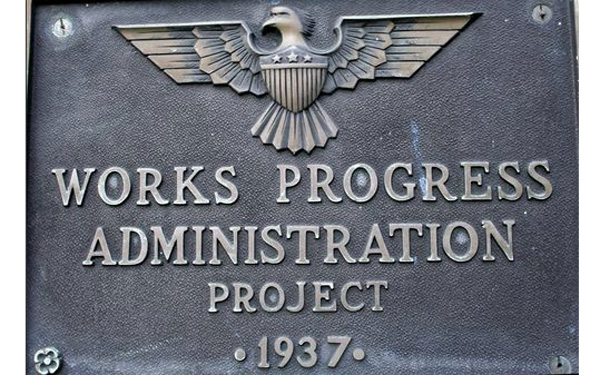
Great Depression: Competition Builds for WPA Projects
City and township Works Progress Administration (WPA) projects went into the hopper in fast fashion at the deadline for projects to be at submitted to WPA headquarters. Delegations from all over Northwest Missouri crowded into the WPA district offices at St. Joseph....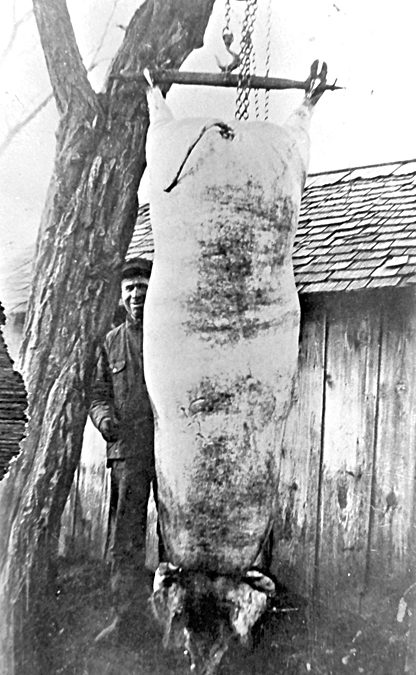
Great Depression: The Corn-Hog Program of 1933
In 1933 the government enacted the corn-hog program in an attempt to limit the number of hogs going to market and the grain being sold. One year later, Daviess County farmers received a total of $450,000 for participating in the program and they would receive another...
Funding Approved for 6 CWA Projects in Daviess County, MO
In 1933 there were six Civil Works Administration (CWA) projects scheduled to be initiated in Daviess County, MO: Improving the road from Brown Cemetery and building roads and fences within Brown and Lile cemeteries, in the sum of $1,675. Building city sewer serving...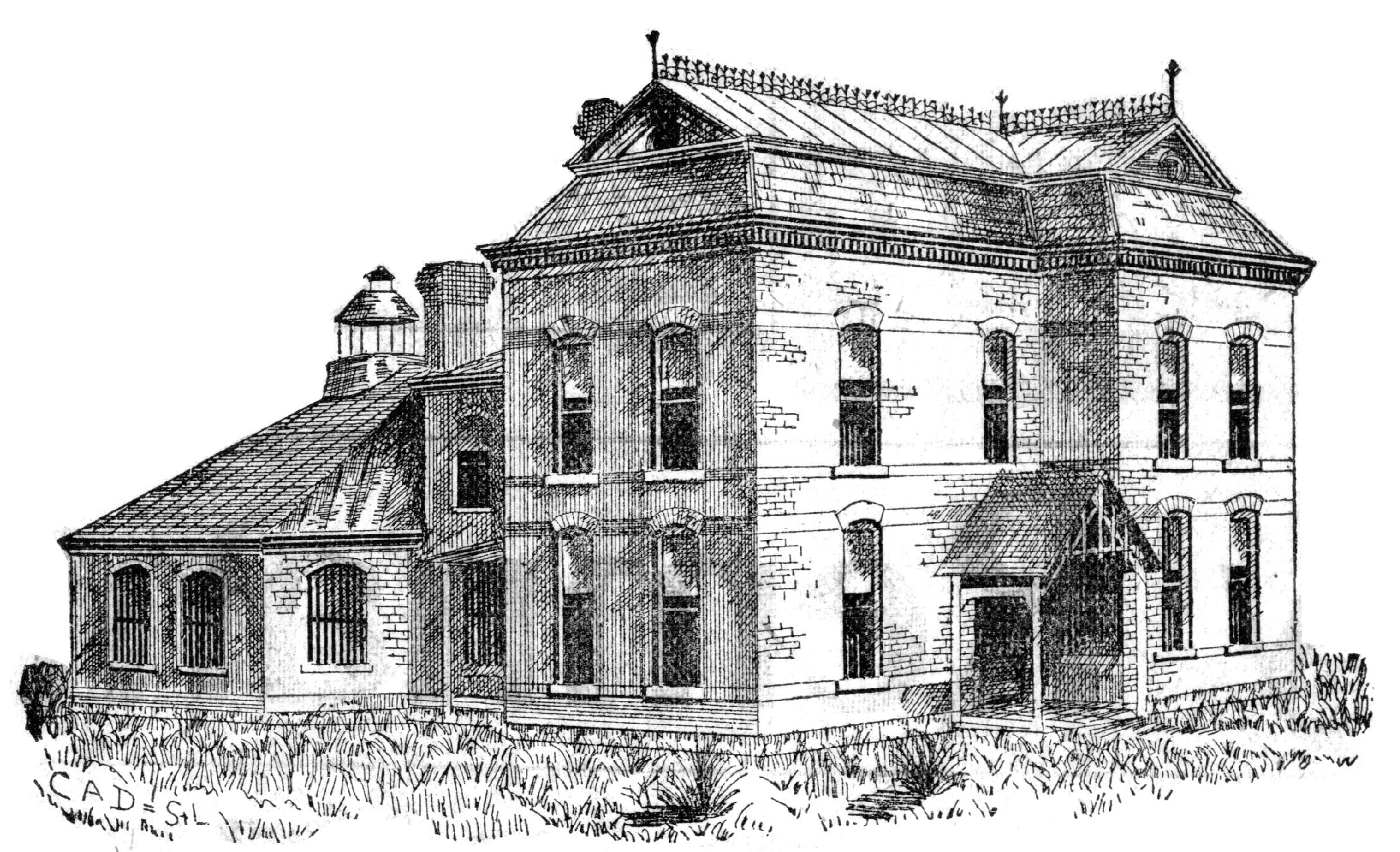
Visit the 1889 Squirrel Cage Jail, located 2 blocks west of the Daviess County Courthouse in Gallatin, MO. This historic relic is listed on the National Register of Historic Places and serves as a visitors’ center — by appointment,
Trudi Burton, ph: 660.663.7342
Search digital posts from 1999 to 2021:
GallatinNorthMissourian.com
Read the last special edition published by the Gallatin North Missourian in 2021:
Daviess County History Guide