

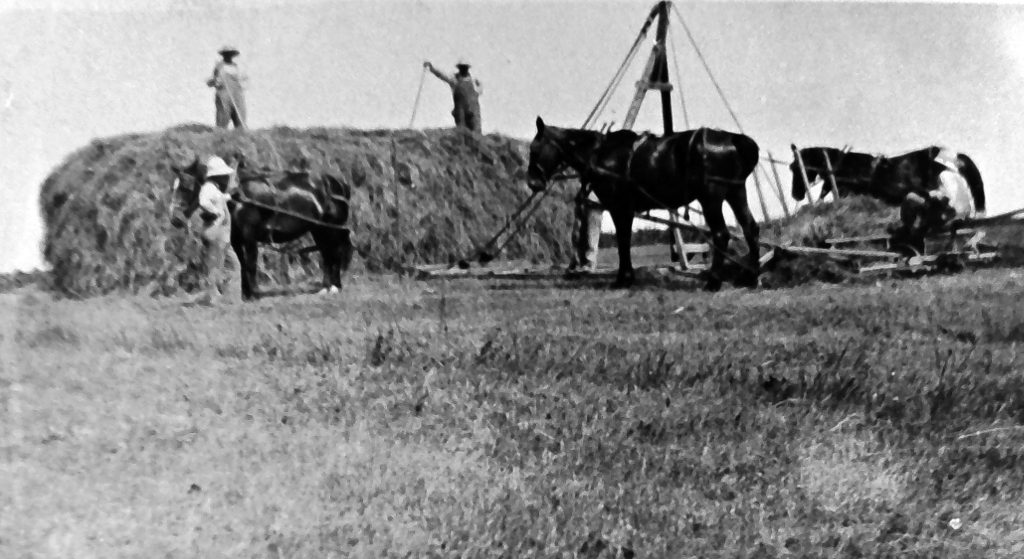
Water a Dire Need, Livestock Herds Liquidated in 1934
During the Depression it was very difficult to obtain water, both for the livestock and for household use. Many cisterns and wells that had produced plentifully in the normal years were now dry. For the many, these were their only source of water. Hardships caused by...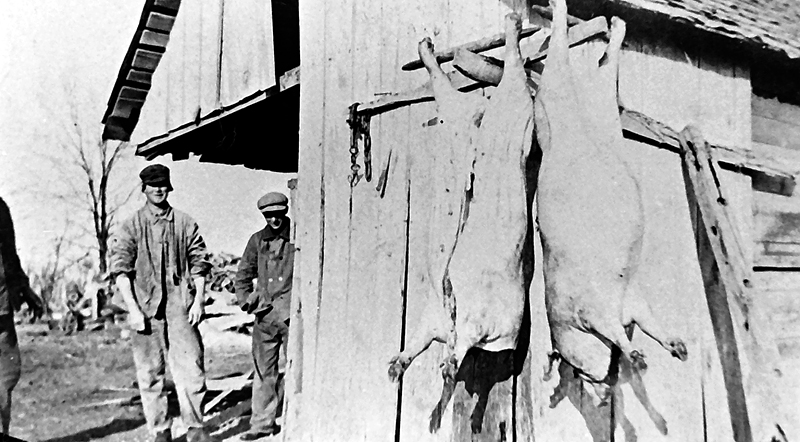
Hogs Worthless, Yet Surplus Pork Feeds the Hungry
In the early 20th century, the farmers counted on the hog income to pay their mortgages and bills and to buy needed supplies. Almost every farm had several head of hogs. Now with the shortage of money to buy the farmer’s products coupled with the lack of corn...
Great Depression: Hordes of Grasshoppers, Cinch Bugs
The dry weather of the 1930s created a problem concerning grasshoppers and cinch bugs. Grasshoppers came in great hordes and ate what little crops there were. There weren’t any sprays or insecticides to control them. If a farmer left his pitchfork in the field...
Great Depression: Drought Makes Poor Field Corn
With the arrival of the 1930s, corn was the main crop used by farmers. But the years during the Great Depression, rains ceased to fall. Corn at its tasseling stage couldn’t form ears. Much of the corn bent over and fell to the ground creating a critical shortage...
Great Depression: Crops Yields, Planting by ‘Check Method’
As the 1933 farming season came to an end, the corn and soybean harvest in Daviess County showed small decline in their yields compared to the previous year. The corn yield was 28 bushels per acre as compared to 37 bushels per acre in 1932. The soybean crop yielded 10...
Great Depression: Production Loans for Farmers
Farmers could now get government credit if they had necessary liquidating elements and security. These loans were being offered to farmers in Gentry, Harrison, Worth and Daviess Counties. The loans could be obtained to purchase such items as seed, equipment and...
Great Depression: What Happened to Family Farms?
In the 1939s, many farmers had purchased land selling for $10 or $12 per acre. With the arrival of the Great Depression era, many farmers couldn’t make their payments. Large loan companies and insurance companies often purchased the repossessed notes from the...
Great Depression: Program Provides Farm Seed Money
In 1932, under the law creating the Reconstruction Finance Corporation, the government had loaned the farmers money to purchase seed, and the loan could be paid back when the crops were harvested. In Missouri alone, over 9,000 farmers had borrowed over $1 million. Now...
Tobacco Almost Becomes a Stable Crop in Daviess County, MO
Tobacco was on the verge of becoming a stable crop in Northwest Missouri during the 1920s and 1930s, in the Depression era. Local farmers were planting the crop in hopes it would be a permanent thing. In 1930, Missouri farmers grew over 5,000 acres of tobacco. A few...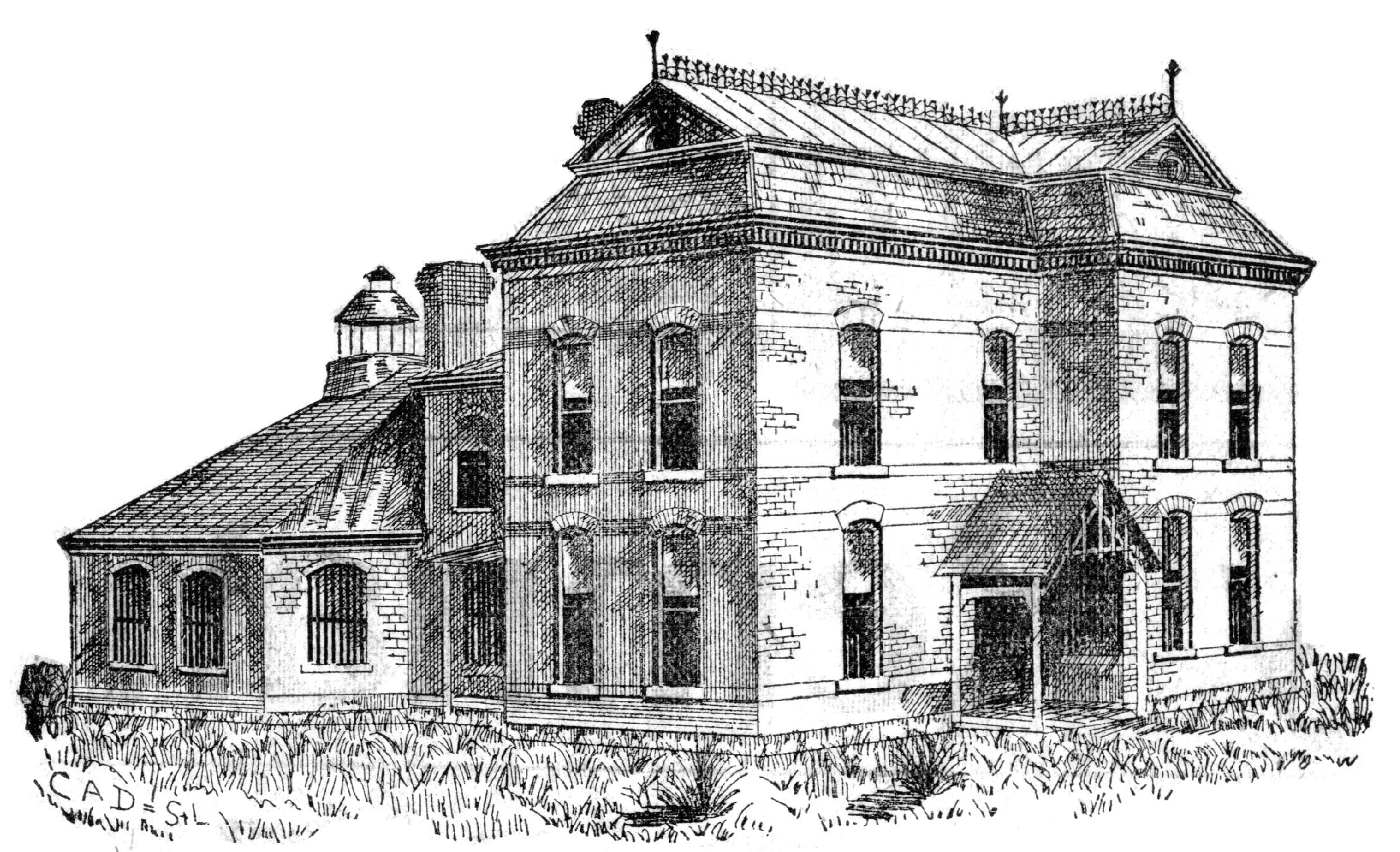
Visit the 1889 Squirrel Cage Jail, located 2 blocks west of the Daviess County Courthouse in Gallatin, MO. This historic relic is listed on the National Register of Historic Places and serves as a visitors’ center — by appointment,
Trudi Burton, ph: 660.663.7342
Search digital posts from 1999 to 2021:
GallatinNorthMissourian.com
Read the last special edition published by the Gallatin North Missourian in 2021:
Daviess County History Guide